
"Cuban import restrictions"
48000 article(s) found

How about Cuban Arabica coffee? Cuban amber coffee. Its brother's name is Blue Mountain Coffee.
Professional coffee knowledge exchange more coffee bean information please follow the coffee workshop (Wechat official account cafe_style) front street-Cuba Coffee introduction she is known as a unique Caribbean flavor coffee, island coffee beans in the special coffee beans. She is full-grained, bright in color, even in taste and smells of tobacco. She is the coffee designated by the Cuban embassy and has attended the 50th anniversary of Sino-Cuban friendship.

Boutique coffee Cubita Cuban Crystal Mountain Coffee
Cubita is Cuban coffee, which is mainly exported to Japan, France, Germany, Ireland, Canada and other countries. The cubita coffee entering the Chinese market is all selected from the pollution-free Crystal Mountain coffee beans in the high altitude areas of Cuba, which is a typical Caribbean coffee bean. All the granules of coffee beans are strictly selected according to the standard of sieve 17-19, and the selected coffee beans have large particles and high maturity.

Introduction to the Flavor description of Cuban Crystal Mountain Coffee Bean by Grinding scale treatment
There are three major brands of Cuban coffee, with Cubita as the representative. The raw beans of Cubita coffee are selected from the pollution-free Crystal Mountain coffee beans in the high altitude area of Cuba. The particles of coffee beans are strictly selected according to the standard of sieve 17-19. The selected coffee beans have large particles and high maturity. Cubita coffee beans are all picked by hand and refined by water washing, with the maximum process.

Noble, tender and elegant Cuban crystal coffee introduces boutique coffee
Cuba is like a crocodile crouching in the Caribbean, her tail brushing right on the Tropic of Cancer. Cubans have always been known for their enthusiasm, but they are also very sincere and stubborn. The same is true of their coffee, which has always been carried out in accordance with Arab coffee washing standards, and they have always adhered to their unique traditional methods of making coffee, which is extremely extreme in controlling roasting.

Delicious, rich, smooth Cuban crystal coffee Introduction Boutique coffee
In Cuba, coffee beans are mostly picked by hand. During the ripening period of coffee beans, they are picked about once every half month. During or after picking, coffee beans are sorted to eliminate immature and bad beans to ensure coffee quality. Cubans usually treat coffee beans in two ways: sunning and washing. Sunburn is the easiest,
Cuban Crystal Coffee Flavor introduction to Cuban Crystal Mountain Fine Coffee beans
In Cuba, most of the coffee beans are picked by hand. Coffee beans are picked about every half a month during the ripening period. During or after picking, coffee beans are classified and those immature and bad beans are removed to ensure the quality of the coffee. Cubans usually deal with coffee beans in two ways: sun exposure and water washing. Sunbathing is the easiest,

Introduction to the origin of global coffee-Cuban boutique coffee beans Cuban coffee flavor Cuba
According to records, there were 2067 coffee plantations in Cuba in 1833. Among them, the earliest seven coffee plantation sites, such as Raglan Piedra, Elkovre, El Salvador and Nisto Perez, are listed as World Cultural Heritage. These seven coffee plantations are located in the foothills of Maestra in the provinces of Santiago and Guantanamo in southeastern Cuba in the 19th century (figure 17 is a postcard).

Introduction to the taste of noble and tender Cuban crystal coffee
Cubita is Cuban coffee, which is mainly exported to Japan, France, Germany, Ireland, Canada and other countries. The cubita coffee entering the Chinese market is all selected from the pollution-free Crystal Mountain coffee beans in the high altitude areas of Cuba, which is a typical Caribbean coffee bean. All the granules of coffee beans are strictly selected according to the standard of sieve 17-19, and the selected coffee beans have large particles and high maturity.

Introduction to crystal Cuban coffee with a clean and delicate taste and slightly sour taste
Cuba is an island of the Caribbean, and its whole territory is in the international coffee belt. The province of Santiago, Cuba's most important coffee producer, is no more than 200 kilometers away from Jamaica. In 1748, a French colonist named JoseAntonioGelabert began to grow coffee in Cuba. Soon, it became popular to enslave slaves in this land to grow coffee on a large scale. For more than a hundred years

Cuban Crystal Mountain Coffee Flavor Cuban Crystal Mountain Coffee taste Cuban Crystal Mountain Coffee
In 1748, coffee was introduced into Cuba from Domiga, and Cuba began to grow coffee ever since. With fertile land, humid climate and abundant Rain Water, Cuba can be called a natural treasure land for coffee cultivation. The suitable natural conditions provide a favorable natural environment for the growth of coffee trees, and coffee is well planted and developed here. In Cuba, the cultivation of coffee is regulated by the state. Cuba is the best
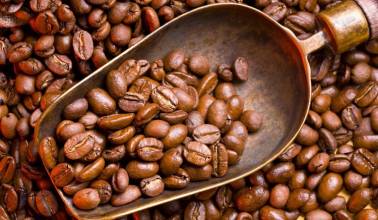
Boutique Coffee beans Cubita Cuban Crystal Mountain Coffee Coffee latest introduction
Cubita is Cuban coffee, which is mainly exported to Japan, France, Germany, Ireland, Canada and other countries. The cubita coffee entering the Chinese market is all selected from the pollution-free Crystal Mountain coffee beans in the high altitude areas of Cuba, which is a typical Caribbean coffee bean. All the granules of coffee beans are strictly selected according to the standard of sieve 17-19, and the selected coffee beans have large particles and high maturity.

Cuban Island Coffee Cuban Crystal Mountain Coffee Bean
Located in the West Indies, Cuba offers a detached, pristine natural environment, a beautiful Caribbean Sea and a world-famous Crystal Mountain Coffee. Coffee was introduced to Cuba from Domica in 1748, and Cuba has since grown coffee. The fertile soil, humid climate and abundant rainfall in Cuba make it a natural treasure for coffee cultivation. Suitable natural conditions for the growth of coffee trees

Boutique Coffee beans famous Cuban Crystal Coffee introduces Caribbean Coffee
Cubita is Cuban coffee, which is mainly exported to Japan, France, Germany, Ireland, Canada and other countries. The cubita coffee entering the Chinese market is all selected from the pollution-free Crystal Mountain coffee beans in the high altitude areas of Cuba, which is a typical Caribbean coffee bean. All the granules of coffee beans are strictly selected according to the standard of sieve 17-19, and the selected coffee beans have large particles and high maturity.

Flavor and taste of Coffee beans in Crystal Mountain, Cuba the characteristics of Cuban coffee beans are introduced in the manor area.
Jingshan coffee is very precious. This is mainly for two reasons. The first reason is the economic sanctions imposed by the United States against Cuba and the non-opening up of Cuban imports. The second reason is that at present, Cuban coffee beans are mostly acquired by the French and Japanese markets, especially Japan, so it is difficult to buy coffee beans directly from Cuba. Nevertheless, Cuban coffee is popular among coffee lovers around the world.

Noble and tender Cuban crystal coffee boutique coffee beans introduce the characteristics of Cuban crystal coffee
In Cuba, most of the coffee beans are picked by hand. Coffee beans are picked about every half a month during the ripening period. During or after picking, coffee beans are classified and those immature and bad beans are removed to ensure the quality of the coffee. Cubans usually deal with coffee beans in two ways: sun exposure and water washing. Sunbathing is the easiest,
The taste of clean and meticulous Cuban crystal coffee introduces Cuban boutique coffee.
In Cuba, most of the coffee beans are picked by hand. Coffee beans are picked about every half a month during the ripening period. During or after picking, coffee beans are classified and those immature and bad beans are removed to ensure the quality of the coffee. Cubans usually deal with coffee beans in two ways: sun exposure and water washing. Sunbathing is the easiest,

Cuban coffee presentation? What is Cuban Coffee? Cuban coffee history?
Professional coffee knowledge exchange More coffee bean information Please pay attention to coffee workshop (Weixin Official Accounts cafe_style) Cuba's clock stopped at the moment when the United States imposed trade sanctions on Cuba in 1960. Even 50 years later, in Cuba, just 60 miles off Florida's southern Caribbean coast, people still drive old cars with all kinds of paint and live in bright colors

Mysterious, low-key Cuban coffee flavor
For more information on coffee beans, please follow the history of coffee workshops (official Wechat account cafe_style): the coffee industry in Cuba began in the mid-18th century. The first coffee farm was established by Don Jos Gelabert in Wajay on the outskirts of Havana in 1748. The seeds of coffee came from Santo Domingo at that time, that is, Dominica today.

Cuban Crystal Mountain Coffee Flavor description methods and methods for uniform taste Fine Coffee
Cuba has more than 200 rivers and thousands of streams, most of which run north-south, so the current is shallow and fast. The Cato River, which flows east-west to the north of the Maestra Mountains, is the largest river in Cuba, but it is only 370 kilometers long and is the only navigable river in Cuba. Cuba's coastline is tortuous, generally steep in the north and flat in the south, with many good ports. They are almost all in shape.
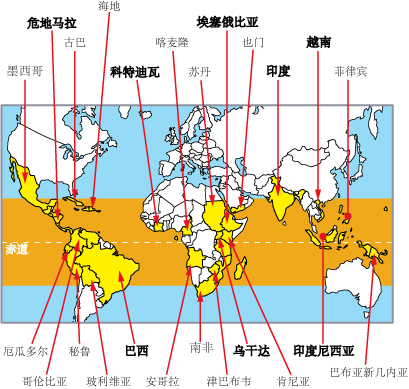
There are 53 coffee producing areas in the world. Cuban coffee Cuban coffee beans.
Cuba Coffee if the country that produces cigars does not have the best coffee to match it, it will certainly be a pity. The best coffee in Cuba (Cuba) is Turquino or Extra Turquino. Tujino is a coffee grade, not a place name, just like Blue Mountain. This kind of coffee